Diverticular Disease and Diet: Understanding Diverticulosis and Diverticulitis
Diverticular disease is a common digestive condition, especially as people get older. Many individuals are told they have diverticulosis during a routine colonoscopy without ever having symptoms, while others may experience episodes of diverticulitis that can cause significant discomfort.
Because nutrition advice around diverticular disease has changed over the years, many people are left confused about what they should or should not eat.
Understanding the difference between diverticulosis and diverticulitis can help clarify how nutrition fits into prevention, symptom management, and recovery.
What Is Diverticulosis?
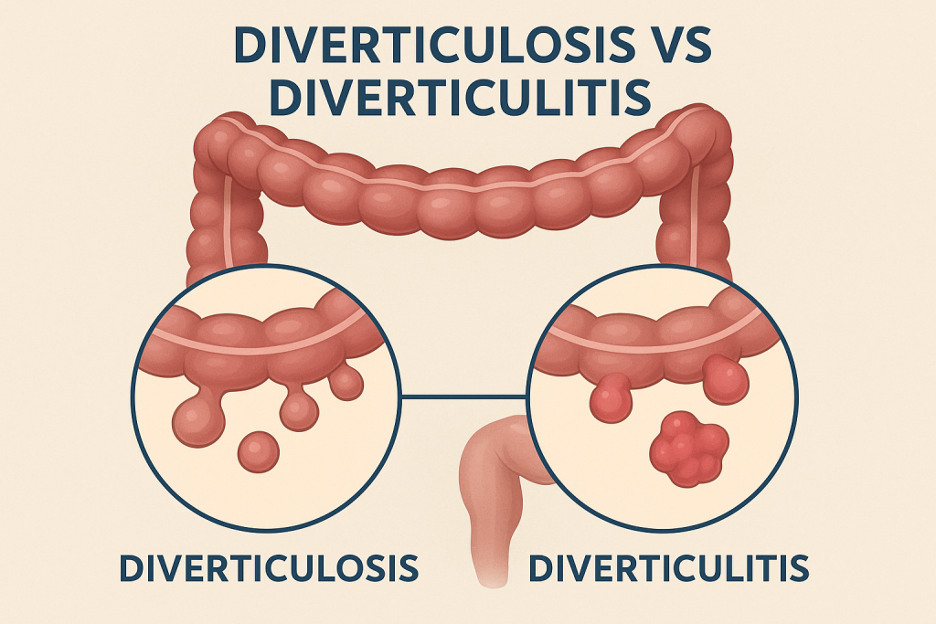
Diverticulosis occurs when small pouches, called diverticula, develop in the wall of the colon. These pouches are very common and often do not cause symptoms.
Many people with diverticulosis feel completely well and may never develop complications.
When symptoms do occur, they may include:
Bloating
Mild abdominal discomfort
Constipation
Changes in bowel habits
Having diverticulosis does not automatically mean someone will develop diverticulitis.
Abdominal pain, often on the lower left side
Fever
Nausea
Constipation or diarrhea
Bloating
Loss of appetite
Diverticulitis can range from mild to severe, and some cases require antibiotics, hospitalization, or additional medical treatment.
Diet During an Active Diverticulitis Flare
During an acute flare, the digestive system may tolerate lower-fiber foods more comfortably while inflammation improves.
Depending on symptom severity and medical guidance, recommendations may temporarily include:
Clear liquids
Low-fiber foods
Smaller meals
Gradual reintroduction of fiber as symptoms improve
These dietary changes are usually short term and should not be viewed as a permanent restriction.
Fiber and Diverticular Disease
Fiber plays an important role in long-term colon health and may help support regular bowel movements and reduce pressure within the colon.
Higher-fiber foods can include:
Fruits
Vegetables
Beans and legumes
Whole grains
Nuts and seeds
Historically, individuals with diverticular disease were often told to avoid nuts, seeds, corn, and popcorn. Current research does not support routinely avoiding these foods for most people with diverticulosis.
In fact, many of these foods provide beneficial fiber and nutrients.
Fiber intake should still be individualized, especially for people with ongoing digestive symptoms or difficulty tolerating certain foods.
The Importance of Gradual Fiber Intake
Increasing fiber too quickly can sometimes worsen bloating, gas, or discomfort.
For many individuals, it is more helpful to:
Increase fiber gradually
Drink adequate fluids
Focus on consistency rather than perfection
Identify personal food tolerances
Nutrition recommendations should be tailored to each individual’s symptoms, medical history, and digestive comfort.
Other Lifestyle Factors That Matter
In addition to nutrition, several lifestyle habits may support digestive health and reduce the risk of complications:
Regular physical activity
Adequate hydration
Managing constipation
Avoiding smoking
Supporting overall gut health
Digestive health is influenced by multiple factors—not just one specific food.
When to Seek Medical Care
Abdominal pain should not automatically be assumed to be diverticulitis. Medical evaluation is important for symptoms such as:
Severe abdominal pain
Fever
Vomiting
Rectal bleeding
Inability to tolerate food or fluids
Persistent bowel changes
Because symptoms can overlap with other gastrointestinal conditions, proper evaluation is important.
How Nutrition Support Can Help
Nutrition counseling for diverticular disease focuses on supporting long-term digestive health without unnecessary food fear or restriction.
This may include:
Creating balanced meal patterns
Gradually increasing fiber intake
Managing constipation or bloating
Supporting recovery after diverticulitis
Identifying individualized food tolerances
Building sustainable eating habits
Overly restrictive diets can sometimes make digestion more stressful and difficult to maintain long term.
The Bottom Line
Diverticulosis and diverticulitis are common digestive conditions that often require a personalized nutrition approach rather than strict food rules.
Current evidence supports the importance of overall dietary patterns, fiber intake, and long-term digestive health rather than avoiding specific foods like nuts or seeds.
With individualized guidance and sustainable habits, many people can successfully manage symptoms while maintaining a balanced and enjoyable diet.