GERD and Acid Reflux: Understanding Symptoms, Triggers, and Nutrition Support

Gastroesophageal reflux disease (GERD), commonly referred to as chronic acid reflux, affects millions of people and can significantly impact quality of life. Occasional reflux is common, but when symptoms occur frequently or interfere with daily functioning, it may indicate GERD.
Symptoms such as heartburn, regurgitation, throat irritation, chronic cough, and chest discomfort are often associated with reflux—but GERD is more complex than simply “too much stomach acid.”
Understanding the factors that contribute to reflux can help individuals better manage symptoms while supporting long-term digestive health.
What Is GERD?
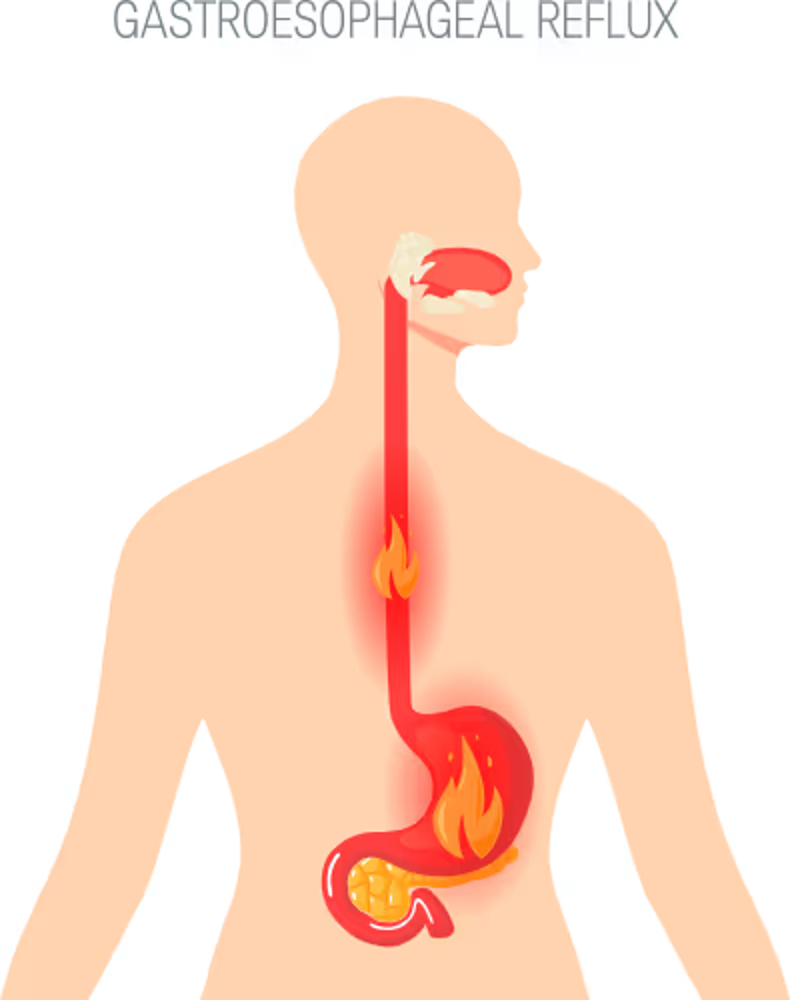
GERD occurs when stomach contents flow backward into the esophagus. Normally, a muscular valve called the lower esophageal sphincter (LES) helps prevent this backflow. When the LES relaxes inappropriately or becomes weakened, reflux can occur.
Common symptoms include:
Heartburn
Regurgitation or sour taste in the mouth
Chest discomfort
Chronic cough
Hoarseness or throat clearing
Difficulty swallowing
Symptoms may worsen after meals, when lying down, or during periods of stress.
What Contributes to Acid Reflux?
1. Lower Esophageal Sphincter (LES) Dysfunction
The LES acts as a barrier between the stomach and esophagus. Certain factors may reduce LES pressure or increase reflux episodes, including:
Large meals
High-fat meals
Alcohol
Smoking
Certain medications
Pregnancy
Obesity or increased abdominal pressure
Importantly, GERD is not always caused by excessive stomach acid production. In many cases, reflux occurs because stomach contents are moving upward into the esophagus more frequently.
2. Delayed Gastric Emptying
When food remains in the stomach longer than expected, pressure within the stomach can increase and contribute to reflux symptoms.
Individuals with bloating, fullness, nausea, or reflux after meals may sometimes have delayed gastric emptying or impaired motility contributing to symptoms.
3. Diet and Meal Patterns
Certain foods may trigger reflux symptoms in some individuals, although triggers are highly individualized.
Commonly reported triggers include:
Tomato-based foods
Spicy foods
Chocolate
Peppermint
Coffee or caffeine
Carbonated beverages
High-fat meals
Citrus foods
However, not all individuals react to the same foods, and overly restrictive diets are not always necessary.
Rather than eliminating large numbers of foods immediately, identifying personal symptom patterns is often more sustainable.
The Relationship Between Stress and Reflux
Stress and anxiety can influence digestive function and symptom perception. Research suggests stress may:
Increase esophageal sensitivity
Alter digestion and motility
Worsen perception of heartburn symptoms
Contribute to behaviors that aggravate reflux, such as irregular eating patterns
This does not mean GERD is “caused by stress,” but stress may worsen symptom severity in susceptible individuals.
Lifestyle Strategies That May Help Reduce Symptoms
Evidence-based lifestyle interventions for GERD often include:
Avoiding large meals close to bedtime
Remaining upright after eating
Eating smaller, more frequent meals if large meals worsen symptoms
Identifying personal trigger foods
Maintaining a healthy body weight when appropriate
Elevating the head of the bed for nighttime reflux
Reducing smoking and alcohol intake
Not every strategy works for every individual, and care should be individualized based on symptoms and medical history.
When to Seek Medical Evaluation
Persistent reflux symptoms should not be ignored. Medical evaluation is important if symptoms include:
Difficulty swallowing
Unintentional weight loss
Vomiting
GI bleeding or black stools
Persistent chest pain
Chronic symptoms despite treatment
Long-standing GERD may increase the risk of complications such as esophagitis or Barrett’s esophagus in some individuals.
How Nutrition Support Can Help
Nutrition counseling for GERD focuses on identifying sustainable strategies that reduce symptoms while maintaining adequate nourishment and dietary variety.
Support may include:
Meal timing adjustments
Symptom-trigger identification
Guidance on balanced meal composition
Reducing unnecessary food fear or restriction
Addressing overlapping digestive conditions such as IBS or bloating
Because reflux symptoms can vary significantly between individuals, personalized care is often more effective than rigid “GERD diet” rules.
The Bottom Line
GERD and acid reflux are common digestive conditions influenced by multiple factors including LES function, meal patterns, stress, body positioning, and individual food triggers.
Managing reflux often requires a personalized approach that balances symptom reduction with overall nutritional adequacy and quality of life.
Understanding the underlying contributors to reflux can help individuals make informed, sustainable changes while avoiding unnecessary dietary restriction.