The Benefits of Nuts and Seeds for Metabolic Health and Gut Health
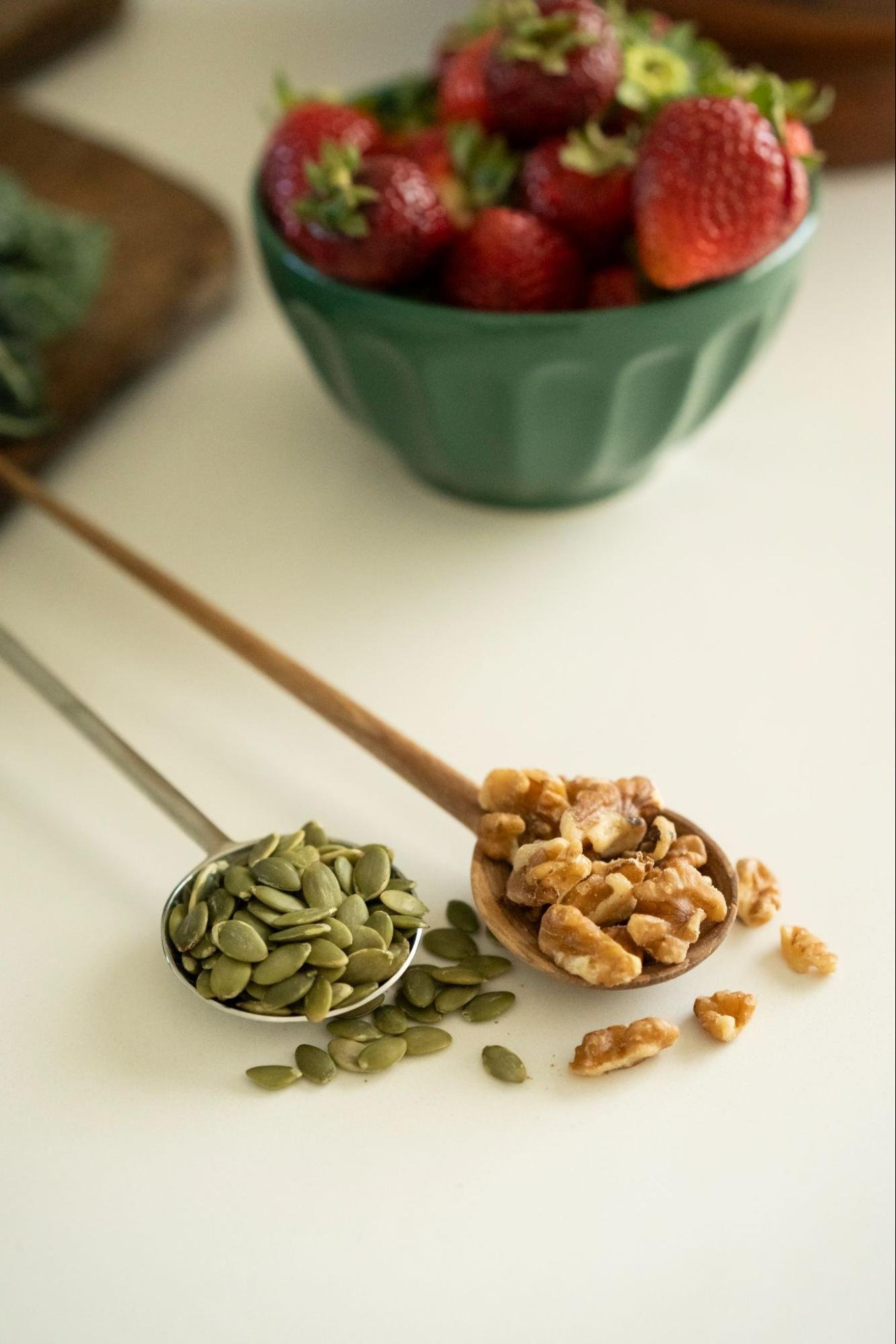
When we think about gut health, we often focus on probiotics, fermented foods, or digestive symptoms like bloating and constipation. When we think about metabolic health, we often focus on cholesterol, blood sugar, insulin resistance, or weight. But these two systems are deeply connected—and nuts and seeds are one of the most underrated foods that support both.
Nuts and seeds provide a unique combination of unsaturated fats, fiber, plant protein, minerals, antioxidants, and polyphenols. Together, these nutrients can help support cholesterol levels, blood sugar regulation, inflammation, satiety, bowel regularity, and a healthier gut microbiome.
Why Nuts and Seeds Support Metabolic Health
Nuts and seeds are rich in heart-healthy unsaturated fats, including monounsaturated and polyunsaturated fats. These fats can help improve blood lipid patterns, especially when they replace refined carbohydrates or saturated fats in the diet.
Research shows that regular nut intake is associated with improved cardiovascular outcomes, and clinical trials have found that nut consumption can modestly lower total cholesterol and LDL cholesterol. This matters because LDL cholesterol, insulin resistance, inflammation, and abdominal fat are key pieces of metabolic health.
Nuts and seeds may also support blood sugar balance. Because they contain fat, fiber, and protein, they slow digestion and help reduce sharp post-meal glucose spikes. This can be especially helpful for individuals with insulin resistance, prediabetes, PCOS, metabolic syndrome, or cravings related to unstable blood sugar.
The Gut Health Connection
The gut microbiome plays a major role in digestion, immune regulation, inflammation, and metabolic health. Nuts and seeds support the gut in several ways.
First, they contain fiber. Fiber helps support regular bowel movements, feeds beneficial gut bacteria, and contributes to the production of short-chain fatty acids. Short-chain fatty acids help maintain the gut barrier, regulate inflammation, and may influence glucose and lipid metabolism.
Second, nuts and seeds contain polyphenols. These plant compounds are not fully absorbed in the small intestine, which means some reach the colon, where gut bacteria can metabolize them into beneficial compounds. This is one reason plant diversity in the diet is so important for gut health.
Third, different nuts and seeds may influence the microbiome in slightly different ways. Almonds, walnuts, pistachios, flaxseeds, chia seeds, sesame seeds, and pumpkin seeds each provide different fibers, fats, and phytochemicals. This is why variety matters more than relying on one “superfood.”
Nuts, Seeds, and Inflammation
Low-grade inflammation is often involved in both digestive and metabolic conditions, including IBS, IBD, metabolic syndrome, type 2 diabetes, cardiovascular disease, and fatty liver disease.
Nuts and seeds provide vitamin E, magnesium, selenium, omega-3 and omega-6 fatty acids, and polyphenols, all of which may help support a healthier inflammatory balance. Walnuts, chia seeds, and flaxseeds are especially notable because they contain alpha-linolenic acid, a plant-based omega-3 fat.
This does not mean nuts and seeds “cure” inflammation, but they can be a powerful part of an overall anti-inflammatory eating pattern.
What About Calories?
Many people avoid nuts because they are calorie-dense. But calorie-dense does not mean unhealthy.
In fact, studies consistently show that nuts do not appear to promote weight gain when eaten in appropriate portions. This may be because nuts increase fullness, replace less nutrient-dense snack foods, and some of their fat is not fully absorbed due to the structure of the nut.
A practical portion is usually about 1 ounce of nuts, or 1–2 tablespoons of seeds, depending on the person’s needs.
Best Nuts and Seeds to Include
Some great options include:
Almonds: rich in vitamin E, magnesium, fiber, and monounsaturated fats.
Walnuts: a source of plant-based omega-3 fats and polyphenols.
Pistachios: provide fiber, potassium, and plant protein.
Chia seeds: rich in soluble fiber and helpful for stool form and fullness.
Ground flaxseed: supports bowel regularity and provides lignans and plant omega-3s.
Pumpkin seeds: rich in magnesium, zinc, and plant protein.
Sesame seeds or tahini: provide healthy fats, minerals, and a creamy way to add nutrition to meals.
How to Add Them Without Worsening GI Symptoms
For people with IBS, SIBO, bloating, constipation, or diarrhea, portion and texture matter.
Start small. Try 1 teaspoon to 1 tablespoon of seeds or a small handful of nuts and increase gradually.
Choose smooth nut butters if whole nuts feel harder to digest.
Use ground flaxseed instead of whole flaxseed for better tolerance and absorption.
Soak chia seeds before eating them, especially if you are prone to bloating or constipation.
Avoid heavily salted, candied, or sugar-coated options if your goal is metabolic health.
For low FODMAP needs, portions matter, so it is best to individualize based on tolerance.
Simple Ways to Use Nuts and Seeds
Add chia or ground flaxseed to yogurt, oatmeal, or smoothies.
Use walnuts or pumpkin seeds on salads.
Add almond butter or peanut butter to toast, fruit, or smoothies.
Use tahini in salad dressings or sauces.
Add hemp seeds to bowls, soups, or avocado toast.
Use crushed nuts as a topping for roasted vegetables.
Pair fruit with nuts instead of eating fruit alone if you want steadier blood sugar.
Bottom Line
Nuts and seeds are small foods with big benefits. They support metabolic health by improving diet quality, blood lipids, satiety, and post-meal blood sugar response. They support gut health by providing fiber, polyphenols, and nutrients that help nourish the microbiome and support bowel regularity.
The key is consistency, variety, and portion size. For most people, adding a small daily serving of nuts or seeds is a simple, realistic way to support both gut and metabolic health.